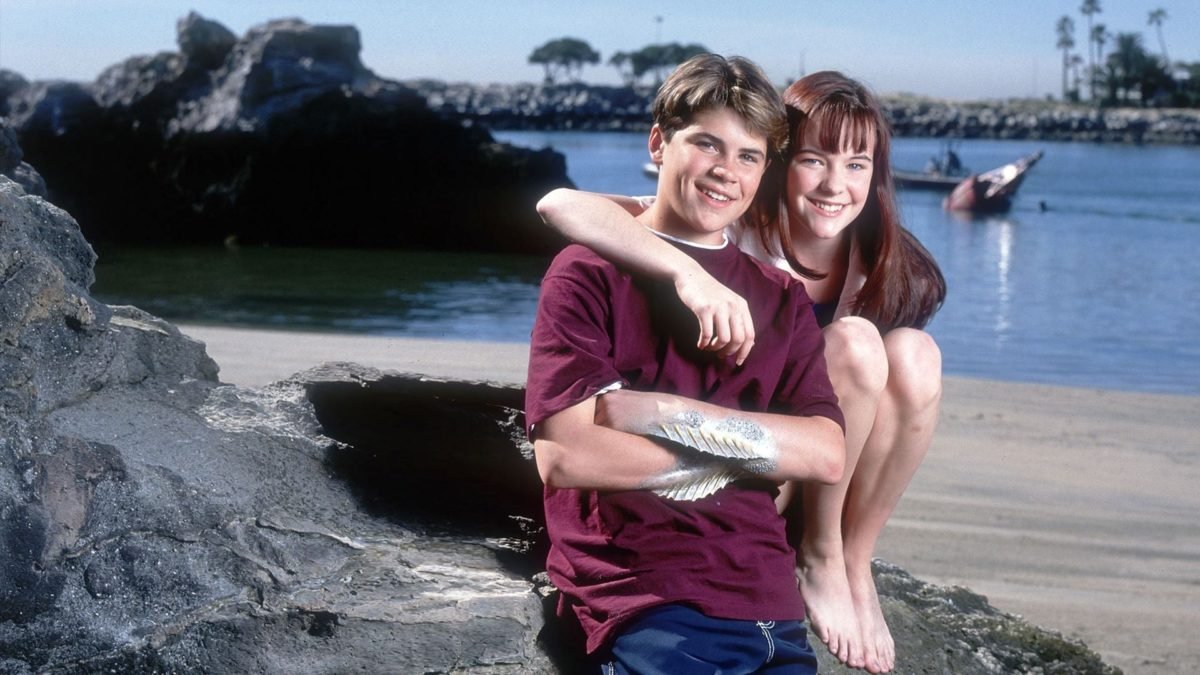
The Thirteenth Year, a heartwarming and electrifying Disney Channel Original Movie, swam into our lives in 1999, capturing imaginations with its unique tale of a merman transformation. More than two decades later, its charm endures, prompting many to wonder: how exactly did Cody Griffin's aquatic coming-of-age story come to life? Beyond the engaging plot and memorable performances, the real magic lay in the carefully chosen filming locations and production secrets of The Thirteenth Year that brought this fantastical narrative to the screen.
From the sun-drenched beaches of Southern California to the meticulously crafted underwater sequences, every detail contributed to the film's believable fantasy. This guide dives deep into the behind-the-scenes world, uncovering the scenic backdrops, technical innovations, and creative decisions that made The Thirteenth Year a beloved DCOM classic.
At a Glance: Unveiling The Thirteenth Year's Production
- Primary Filming Region: Southern California, USA.
- Key Ocean Scenes: Predominantly shot in Newport Beach.
- Cody's Iconic House: The historic Point Fermin Light in San Pedro.
- Production Timeline: A brisk six-week shoot.
- Special Effects: A blend of practical effects and nascent CGI for Cody's transformation.
- Star's Debut: Marked Chez Starbuck's first major film role.
- Enduring Legacy: One of Disney Channel's highest-rated films at the time, still available on Disney+.
The Enduring Appeal of a Merman's Tale
For many, The Thirteenth Year wasn't just another TV movie; it was a defining moment in their childhood viewing experience. Premiering on Disney Channel in May 1999, it introduced audiences to Cody Griffin, an adopted teenager discovering a startling secret about his lineage on his 13th birthday: he's transforming into a merman. This tale of identity, friendship, and embracing the extraordinary resonated deeply, earning its place among the magic of Disney Channel Original Movies.
The film successfully navigated the delicate balance between typical teenage struggles – fitting in, first crushes, school challenges – and the utterly fantastical. Cody's journey, from zapping his alarm clock with electric jolts to developing scales and fins, felt both relatable in its emotional core and utterly captivating in its visual unfolding. Its sustained popularity, even decades later, speaks volumes about its quality and the impactful choices made during its production.
Setting the Scene: Where Cody's World Came to Life
A story as steeped in the ocean as The Thirteenth Year demands authentic, breathtaking backdrops. The production team understood this implicitly, opting for real-world locations that lent credibility to Cody's extraordinary circumstances. Southern California, with its diverse coastline and vibrant communities, provided the perfect canvas.
The Sunny Shores of Southern California: A Versatile Backdrop
The decision to film entirely in Southern California was a strategic one, offering a wealth of varying landscapes from bustling beaches to quaint residential areas, all within reasonable proximity. This geographical convenience allowed for efficient production, crucial for a tight shooting schedule. The region's consistent sunshine and iconic coastal vibes were inherent assets, immediately establishing the film's bright, slightly dreamy aesthetic. It's no wonder that many productions choose Southern California's versatile filming locations for their projects.
Newport Beach: The Heart of the Ocean Scenes
When you imagine Cody swimming with effortless grace, or his first unsettling encounters with his changing body in the water, you're likely envisioning Newport Beach. This iconic Orange County locale served as the primary setting for the film's extensive ocean sequences.
- Why Newport Beach? Its expansive coastline, public access, and the availability of facilities for water-based filming made it an ideal choice. The varying depths and calmer coves likely offered diverse environments suitable for different types of underwater and surface shots, from Cody's initial swims to his dramatic encounters with his birth mother and Big John.
- Specific Moments: Scenes involving Cody's rapid swimming, his accidental revelation of fins at the swim meet (though the meet itself might have been a pool location, the subsequent escape into the ocean would connect here), and the climactic fishing boat chase were all likely storyboarded with Newport Beach's distinctive character in mind. The vibrant blue waters and golden sands provided a picture-postcard setting that contrasted beautifully with the growing tension of Cody's transformation.
Filming complex sequences in open water presents unique challenges, from currents to marine life, making the selection of a reliable and film-friendly location paramount. Newport Beach's long-standing reputation in film and television likely played a role in its selection.
Point Fermin Light, San Pedro: Cody's Iconic Home
Perhaps one of the most recognizable and beloved locations in The Thirteenth Year is the Griffin family home. Perched dramatically on a cliff overlooking the Pacific Ocean, its distinctive architecture and commanding view made it an unforgettable residence for Cody, his adoptive parents, and his evolving identity. This iconic structure is, in fact, the Point Fermin Light in San Pedro, California.
- Architectural Significance: Built in 1874, the Point Fermin Lighthouse is a Victorian-style lighthouse, a departure from the typical conical lighthouses. Its unique charm, with its gabled roof and ornate detailing, instantly gives the Griffin home a character that is both inviting and slightly isolated, perfectly reflecting Cody's journey.
- Narrative Impact: The lighthouse's setting directly influences the story. Its proximity to the ocean constantly reminds Cody of his impending transformation, while its relative seclusion provides a sense of privacy for his adoptive parents as they grapple with his secret. The dramatic cliffs surrounding it offer a natural boundary between his land-based life and the beckoning sea. The imagery of the lighthouse, a beacon guiding ships, subtly mirrors Cody's own quest for identity and direction.
- A Touch of History: Using a historical landmark like Point Fermin Light added an unquantifiable layer of depth and authenticity to the film. It grounds the fantasy in a tangible, real-world setting, making Cody's story feel all the more plausible. You can the history of Point Fermin Lighthouse to appreciate its enduring legacy beyond its cinematic role.
Beyond the Coastline: Other Southern California Gems
While Newport Beach and Point Fermin Light anchor the film's visual identity, other aspects of Southern California likely filled out the cinematic world of The Thirteenth Year. School scenes, local diners, and generic suburban streets would have been sourced from various areas within the region, utilizing the diverse urban and residential landscapes. These less specific but equally important locations contribute to the overall realism, grounding the extraordinary in the everyday.
Diving Deeper: Production Secrets & Behind-the-Scenes Magic
Beyond the scenic backdrops, the true ingenuity of The Thirteenth Year's production lay in how the filmmakers brought the fantastical elements to life, particularly Cody's transformation and the underwater world. This required a combination of creative problem-solving, period-specific special effects, and a highly efficient production schedule.
The Tight Timeline: Six Weeks to Merman
One of the most impressive aspects of The Thirteenth Year's production was its brisk pace. The entire film was shot over a period of just six weeks. For a movie involving significant special effects, underwater sequences, and child actors, this is a remarkably short timeframe.
- Implications: A tight schedule necessitates meticulous pre-production planning, clear communication, and efficient execution on set. Every scene, every shot, had to be carefully storyboarded and rehearsed to minimize delays. It speaks volumes about the professionalism and coordination of director Duwayne Dunham and his entire crew.
- Budgetary Constraints: Disney Channel Original Movies often operate on tighter budgets compared to theatrical releases, making a condensed shooting schedule a common strategy to control costs. The ability to pull off such a complex film within these constraints is a testament to the team's resourcefulness.
Crafting the Transformation: Special Effects of the Era
Cody's transformation is the heart of the film, progressing from subtle changes like an unquenchable thirst and electric shocks to full-blown scales, fins, and a flippered foot. Achieving these effects believably in 1999, at the cusp of the digital revolution, involved a fascinating blend of techniques. For insights into how 90s visual effects pushed boundaries, consider the innovations seen here.
- Practical Effects for Subtle Changes: Many of Cody's early symptoms were likely achieved with practical, in-camera effects. The milk carton sticking to his hand, for example, could have involved a hidden adhesive or a specially rigged prop. The electric zaps to his alarm clock and Samantha were likely a combination of sound design and visual sparks added in post-production, or simple prop tricks.
- Prosthetics and Makeup for Scales and Fins: As Cody's transformation became more pronounced, prosthetics and detailed makeup likely came into play. The scales forming on his hands, arms, and feet when wet would have been pre-applied prosthetics designed to look realistic. The jagged fins on his arms and the later flippered foot would also have been skillfully crafted prosthetic pieces, fitted to Chez Starbuck and carefully blended with his skin. These elements needed to withstand water exposure during filming.
- Early CGI for Dynamic Effects: While practical effects provided the foundational realism, early computer-generated imagery (CGI) would have been crucial for more dynamic or complex aspects, such as the full merman tail or rapid swimming sequences. The challenge for 1999 CGI was seamless integration with live-action footage, especially underwater. The power surge Cody creates to flee the swim meet, breaking the scoreboard, would have also incorporated visual effects.
- Underwater Effects: Filming underwater presents its own set of unique difficulties. Achieving the illusion of seamless merman movement required not only special suits or tails but also clever camera work, potentially involving slow-motion techniques and careful editing to enhance the fluidity.
The Underwater Ballet: Filming Mermaids and Mermen
The extensive underwater sequences, featuring both Cody and his mermaid mother, were pivotal to the film's success. These scenes are inherently complex and demand specialized equipment and highly skilled personnel.
- Underwater Cinematography: Filming submerged requires waterproof camera housings, specialized lighting, and divers trained in cinematography. Maintaining clarity, managing light refraction, and ensuring the safety of the cast and crew are paramount concerns. Understanding the complexities of underwater cinematography sheds light on the challenges faced by the production team.
- Actor Training and Stunt Work: Chez Starbuck, playing Cody, was reportedly a strong swimmer, a non-negotiable requirement for the role. However, even strong swimmers require training for acting underwater, holding breath for extended periods, and performing specific movements while wearing restrictive costumes (like a merman tail). Stunt doubles would have been employed for more challenging or dangerous underwater maneuvers, ensuring actor safety and achieving dynamic shots.
- Mermaid Costumes: The mermaid and merman tails themselves are significant production pieces. Designed for both visual appeal and functionality underwater, they needed to be durable, aesthetically pleasing, and allow for some degree of movement, however constrained. The color, texture, and bioluminescent quality (if any) of these tails were carefully considered to enhance the fantastical element.
Director's Vision: Duwayne Dunham's Approach
Duwayne Dunham, a seasoned director with a strong background in editing (including Star Wars: Return of the Jedi and Blue Velvet), brought a particular eye for pacing and narrative flow to The Thirteenth Year. His experience with both visual storytelling and managing complex productions was undoubtedly key to bringing the film together within its tight schedule and technical demands. His steady hand ensured the story remained heartfelt amidst the fantasy.
Chez Starbuck's Debut: Navigating His First Big Role
For lead actor Chez Starbuck, The Thirteenth Year was his film debut. Stepping into such a physically demanding role, which required extensive swimming and interaction with special effects, is a significant undertaking for any actor, let alone a newcomer. His natural aquatic ability was a major asset, making the merman transformation feel more authentic. His performance grounded the fantastical plot in genuine teenage emotion, making Cody's struggle with identity resonate with young audiences. If you're curious about the faces behind the fins, you can always Explore The Thirteenth Year Cast in more detail.
The Art of Illusion: How Practicality Met Fantasy
The magic of The Thirteenth Year lies not just in its story, but in the seamless blend of real-world locations and carefully constructed illusions. Every decision, from choosing the right beach to crafting a convincing tail, served to make the unbelievable believable.
Blending Real Locations with Studio Work
While the exterior shots were undoubtedly filmed on location in Newport Beach and San Pedro, certain interior scenes or highly controlled sequences might have been shot on a soundstage. This common production practice allows for greater control over lighting, sound, and special effects, especially for intricate scenes like Cody's scale manifestations or the interior of Big John's boat during the capture sequence. The art lies in matching the studio sets to the on-location footage so the audience never notices the transition.
The Weather Factor
Filming outdoors, especially along the coast, means contending with unpredictable weather. Southern California generally offers favorable conditions, but strong winds, sudden fogs, or even unseasonable rain can disrupt a tight shooting schedule. The production team would have needed contingency plans to adapt to changing weather, perhaps by re-sequencing shots or moving to indoor locations when necessary, all without extending the six-week timeline.
Safety First: Water Filming Protocols
Any production involving significant water work places a high premium on safety. For The Thirteenth Year, this meant rigorous protocols for all cast and crew members working in or near the ocean.
- Certified Divers and Lifeguards: A team of certified divers and lifeguards would have been on standby at all times during water shoots, ready to assist actors or retrieve equipment.
- Safety Briefings: Regular briefings would ensure everyone understood the risks and safety procedures, particularly regarding currents, marine life, and emergency protocols.
- Equipment Checks: All underwater camera equipment, safety gear, and props would undergo thorough checks to prevent malfunctions.
- Actor Supervision: Actors, especially those in restrictive costumes like merman tails, would have been closely supervised to prevent fatigue or entanglement.
More Than Just a Movie: The Legacy and Impact
Beyond its production intricacies, The Thirteenth Year carved out a significant niche in popular culture. At the time of its premiere, it was Disney Channel's second highest-rated film, a testament to its immediate appeal. Its narrative, while fantastical, tapped into universal themes of identity, belonging, and the often-awkward journey of adolescence.
Critics, while giving mixed to positive reviews, consistently praised the film's "pace and heart," acknowledging its ability to engage audiences with genuine emotion. Publications like Complex and Entertainment Weekly have consistently ranked it highly among Disney Channel Original Movies, cementing its status as a DCOM classic.
Today, thanks to platforms like Disney+, a new generation can discover (or rediscover) Cody Griffin's transformation. This continued accessibility ensures that the unique blend of relatable teenage drama and fantastical aquatic adventure continues to charm viewers, highlighting the lasting impact of its well-crafted story and innovative (for its time) production. If you're curious about a deeper dive into The Thirteenth Year's plot, you can find a comprehensive breakdown of Cody's journey.
Answering Your Burning Questions
Filming a story as unique as The Thirteenth Year naturally sparks many questions. Here are some of the most common ones answered with insights from behind the scenes:
Q: Where exactly was Cody's house filmed?
A: Cody Griffin's distinctive clifftop home was filmed at the historic Point Fermin Light, a Victorian-style lighthouse located in San Pedro, California. Its unique architecture and dramatic coastal setting made it an iconic part of the film's visual identity.
Q: How long did it take to film The Thirteenth Year?
A: The entire production of The Thirteenth Year was completed in a remarkably short timeframe of just six weeks. This efficient schedule required extensive pre-production planning and a highly coordinated crew.
Q: Were the merman special effects practical or CGI?
A: The film utilized a blend of both. Many of Cody's initial transformations (like scales appearing) were achieved through practical prosthetics and makeup. For more dynamic elements, such as the full merman tail or rapid underwater movements, early computer-generated imagery (CGI) was employed, typical for films of that era (1999).
Q: Was Chez Starbuck, who played Cody, actually a good swimmer?
A: Yes, Chez Starbuck was reportedly a strong swimmer, which was a crucial prerequisite for his role. His natural ability in the water significantly contributed to the authenticity of Cody's merman transformation and the extensive underwater sequences.
Q: Where were the ocean scenes primarily shot?
A: Most of the film's ocean sequences, including Cody's swims and interactions with the sea, were primarily filmed in and around Newport Beach in Southern California. This location offered a versatile and accessible environment for complex water-based cinematography.
Rediscovering the Magic, One Location at a Time
The Thirteenth Year remains a beloved staple for a reason. It masterfully combined a compelling coming-of-age narrative with the enchanting allure of the ocean, brought to life through dedicated production efforts. Knowing the actual filming locations and production secrets of The Thirteenth Year only deepens one's appreciation for the artistry involved. From the picturesque cliffs of Point Fermin to the sun-drenched waters of Newport Beach, every setting played a vital role in grounding this fantastical tale in a world that felt both aspirational and real.
So, the next time you revisit Cody's unforgettable journey, perhaps with a fresh pair of eyes on Disney+, take a moment to consider the painstaking efforts behind each shot. Recognize the iconic lighthouse, envision the bustling beaches, and marvel at the ingenuity that transformed a teenage boy into a merman in just six short weeks. It's a testament to the enduring power of filmmaking and the magic that happens when a compelling story meets a dedicated crew.